Foundation Crack Repair in New Braunfels, TX
A crack in a slab, a brick wall or the drywall can be harmless shrinkage or a clue that the ground under a New Braunfels, Texas home has shifted. This page explains how cracks get sorted, sealed and priced in Comal County, and how to have a local foundation specialist look at yours.
Not sure if we cover your area? Check now ↓
Request a Foundation Estimate
About 30 seconds to fill in. We'll get back to you to set up the visit.
Inspections, estimates and repairs are carried out by a local foundation repair company. See our Referral Marketing Disclosure.
Reading the Cracks in Your Foundation
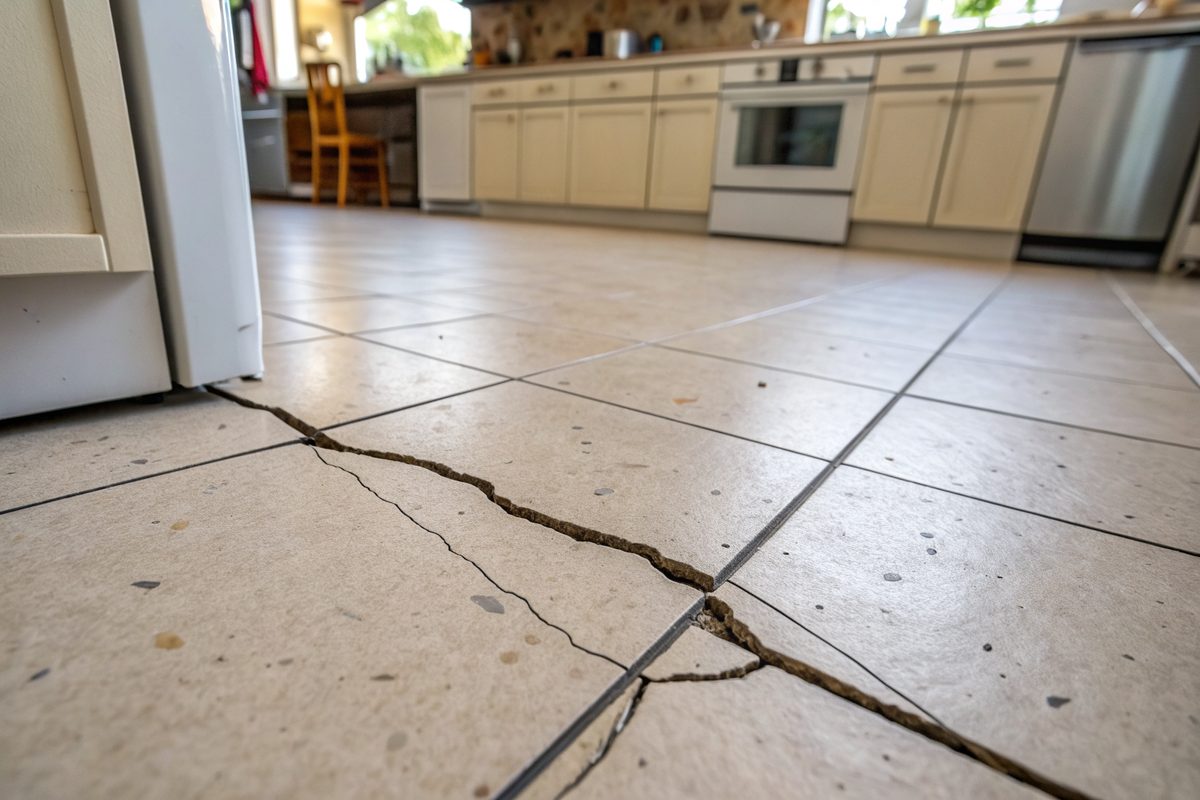
Concrete shrinks as it cures, so thin slab lines are common in homes across New Braunfels, TX and Comal County. Width, shape and growth matter most. A line thinner than a credit card that hasn't changed in a year reads very differently from a gap that swallows a coin.
The city sits on the Balcones Escarpment, with thin rocky soil over limestone to the west and dark expansive clay to the east. Blackland clays like Houston Black take on water and swell, then shrink as they dry; in a dry season the ground itself can split ½ inch to 4 inches wide (NRCS). When soil pulls away from a slab edge, the concrete above can crack.
Sealing or injecting a crack keeps out water and insects. When the crack is a symptom of settling, though, the company may suggest piers or drainage changes as well.
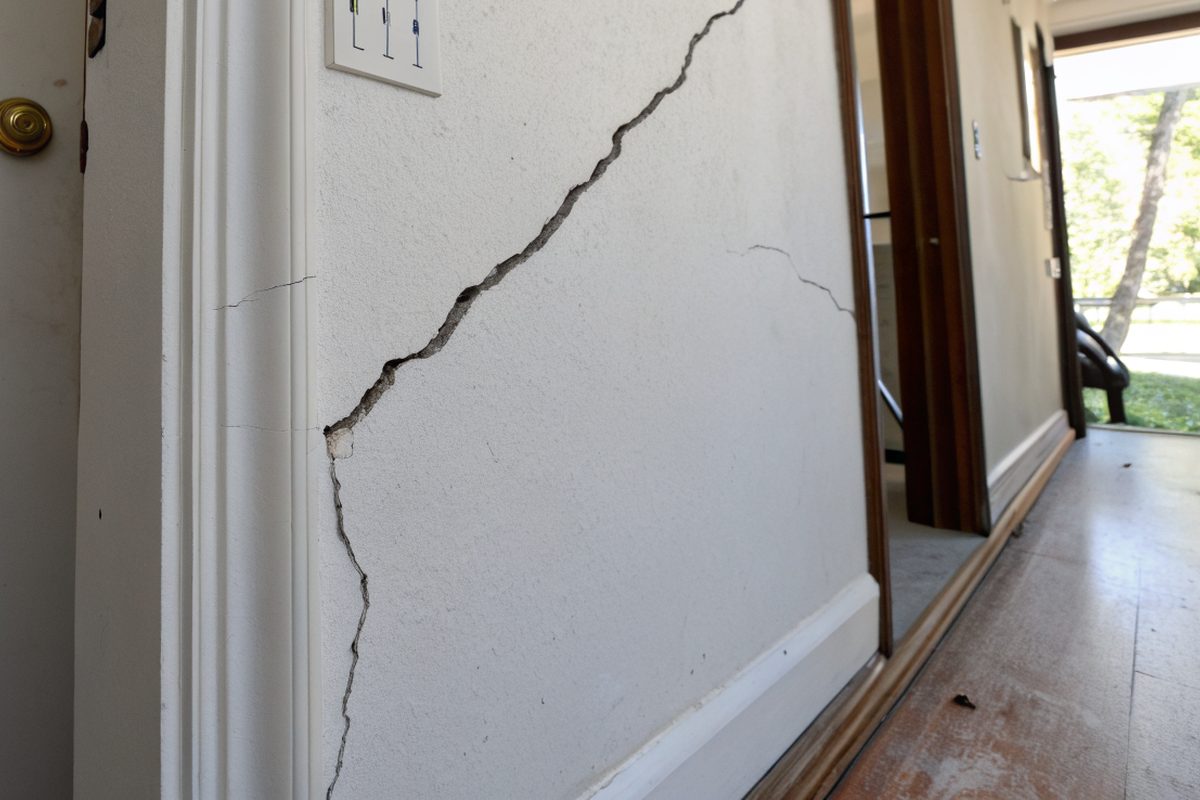
Issues a Pro Addresses With Foundation Crack Repair
- Hairline slab cracks. Thin shrinkage lines can be cleaned and sealed so moisture stays out and new movement shows up clearly.
- Stair-step cracks in brick or stone. A zigzag along the mortar joints often follows a corner that dropped, so floor levels get checked first.
- Drywall cracks above doors. Diagonal lines from the corners of a frame, next to a door that now sticks, can point to movement below.
- Cracks that leak. On stem walls and exposed slab edges, epoxy or polyurethane injection fills the crack from inside and blocks seepage.
What Moves the Price of Foundation Crack Repair
Sealing one crack is a small job; settling, several damaged walls or an engineer's opinion raise the bill. The table shows national figures published by home-cost sites; neither we nor any New Braunfels company set them.
| Cost row | Figure | Source (year) |
|---|---|---|
| Crack repair, per crack | about $250 to $800 | HomeGuide (2026) |
| Structural engineer's report | about $500 to $3,000 | HomeGuide (2026) |
| Typical foundation repair, national | about $2,225 to $8,133 (average about $5,174) | Angi (2026) |
All seven published ranges sit in the foundation repair cost guide, and the cost calculator sketches a pier-based range if settling turns up.
From Inspection to Finished Foundation Crack Repair
- Look and measure. The foundation company's inspector notes each crack's width and checks the floors with a level.
- Sort cosmetic from structural. Cracks with no sign of settling get a sealing plan; cracks paired with sloping floors may lead to a pier proposal instead.
- Get the scope in writing. It should name the method, the cracks covered and the warranty terms. Ask whether a professional engineer will review it and who pulls the City permit.
- Seal or inject. The installer fills the crack with epoxy for a structural bond, or with polyurethane foam where water is the worry. If it reopens later, the ground is still moving.
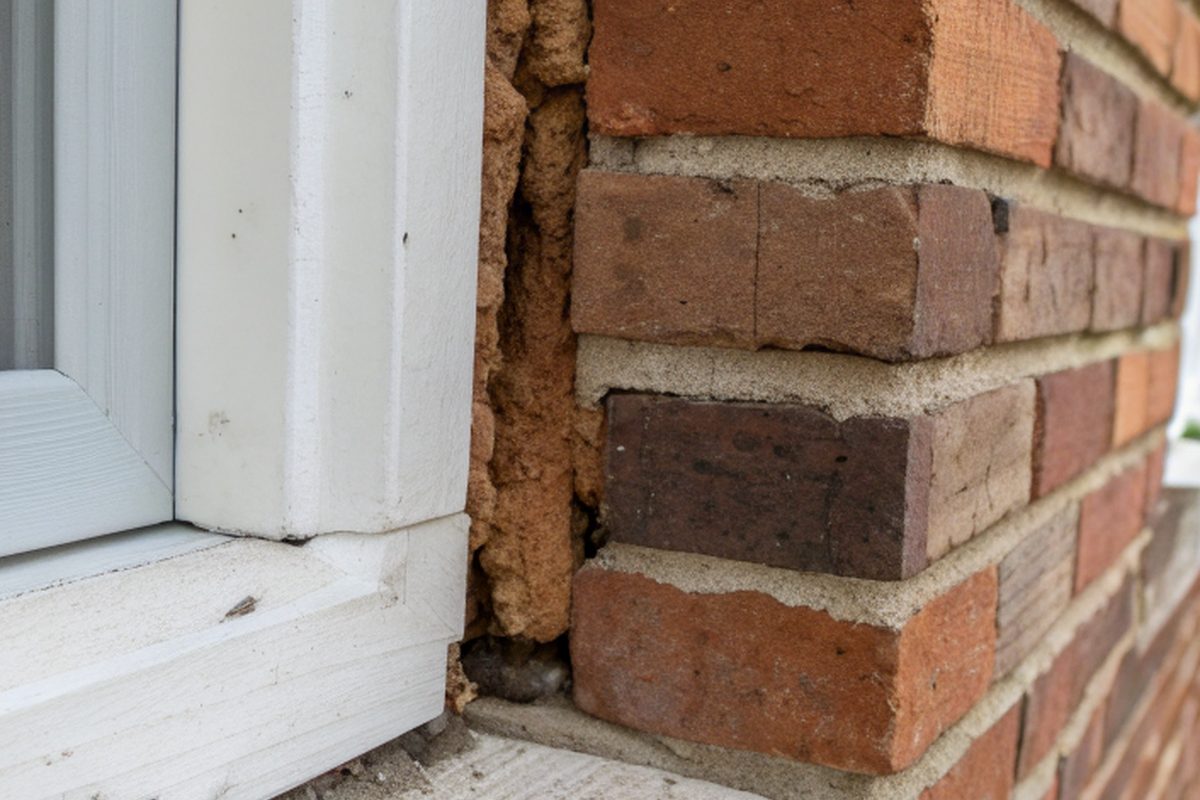
Why Small Movement Becomes Big Repairs
A crack is often the first visible record of seasonal soil movement. The National Weather Service found exceptional drought across much of the I-35 corridor in October 2023, and the drought index in Comal and Guadalupe counties passed 700. Dry spells like that draw water out of clay, which can let a slab settle at its edges and open fresh lines in brick.
Water works from the other side too: a slow slab leak, downspouts emptying at the wall or a yard sloping toward the house can each soak the clay unevenly.
Quick Answers on Foundation Crack Repair
Is every foundation crack a sign of a problem?
No. Hairline shrinkage lines show up in many sound homes. A crack deserves a closer look when it is wider than about 1/8 inch, runs in a stair-step or diagonal pattern, grows over a few months, or appears alongside sticking doors or sloping floors.
What is the difference between epoxy and polyurethane injection?
Epoxy cures hard and bonds the two sides back together, so it suits cracks where strength matters. Polyurethane foam expands and stays slightly flexible, which suits cracks that mainly leak. Neither stops the soil moving.
Does crack repair need a permit in New Braunfels?
Repairs to a structure inside city limits need a City permit, and Foundation is one of the listed types. Whether a small sealing job counts is a question for the Building Division, 550 Landa Street, (830) 221-4041. Ask the company who pulls the permit.
Will homeowner insurance pay for crack repair?
Many policies treat settling and soil movement differently from sudden damage, so ask your own insurer what yours covers before signing anything. We give no claims help, and Texas law bars anyone selling the repair from offering to cover or waive your deductible.
Other Foundation Work to Consider
A crack often raises a bigger question about the whole house, so read about general foundation repair, slab foundation repair, pier and beam foundation repair and house leveling, or take the foundation warning signs quiz.
Ask About Sealing Foundation Cracks
Describe the cracks in the form: where they are, how wide they look and whether they have changed. We look over what you send and arrange a visit with a local foundation specialist near New Braunfels. The specialist measures the cracks, judges whether they point to settling and writes any estimate. Sending the form costs nothing, and you choose what happens after.